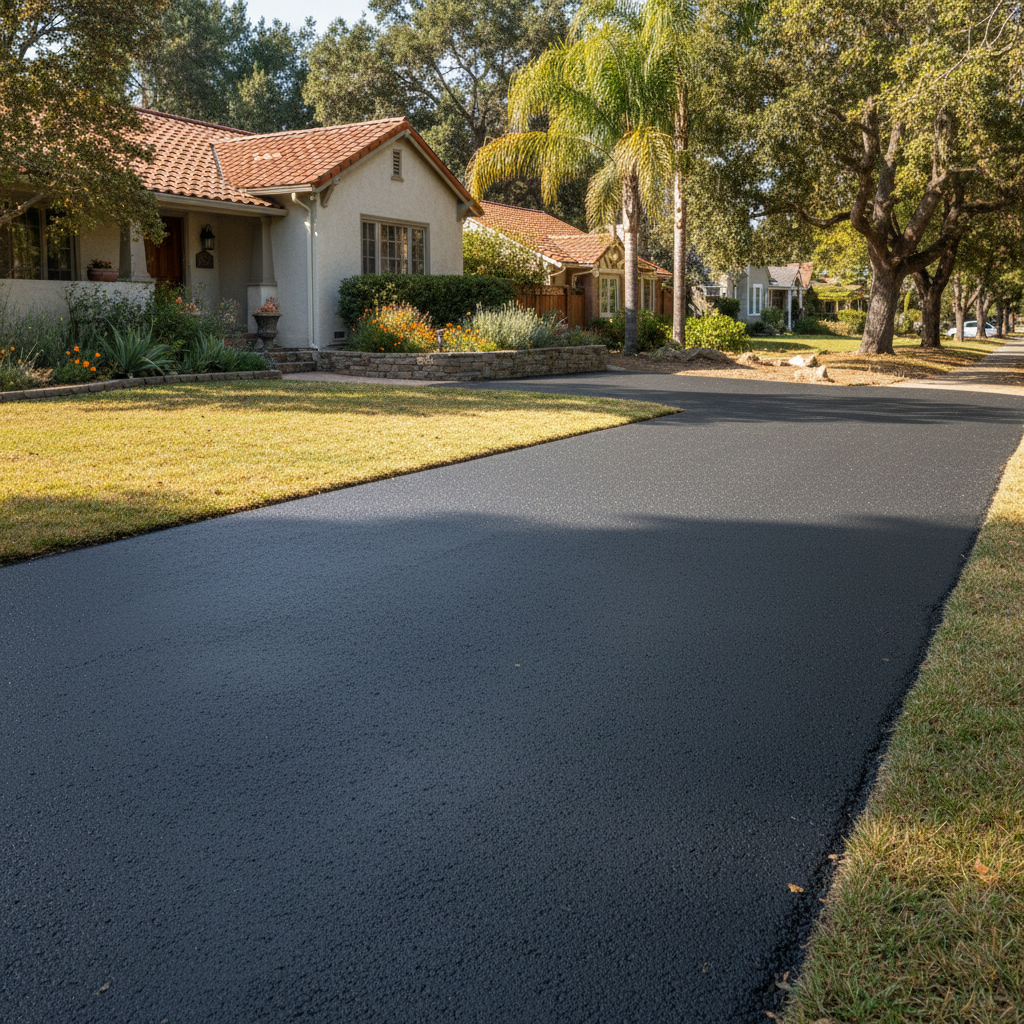
So, you just got your asphalt slurry sealed. Looks great, doesn't it? That rich, dark black surface really makes a property stand out. But that fresh look won't last forever on its own. You'll need to put in a little work to protect that investment, especially here in Palo Alto where the sun can be brutal and the ground tends to shift a bit.
Think of slurry seal as a protective layer, kind of like sunscreen for your pavement. Its job is to shield the asphalt underneath from UV rays, water, and everyday wear. But it's not indestructible. Here's what I tell my clients about getting the most out of their slurry seal.
Making Your Slurry Seal Last Longer
The first thing you absolutely have to do, and I really can't emphasize this enough, is let it cure properly. After we've put it down, stay off it for at least 24 hours. Sometimes even longer if it's a cooler, shadier day. You'll know it's ready when it feels completely dry and doesn't have that 'wet' look anymore. Driving on it too soon? That's like stepping on wet paint – you'll leave tire marks and mess up the seal.
Once it's cured, try to keep heavy vehicles off it as much as you can for the first week or two. That means no big moving trucks or delivery vehicles sitting for long periods. The longer you let it harden, the tougher it'll be against daily traffic.
Another huge factor for extending its life is keeping it clean. Debris, dirt, and gravel can act like sandpaper under tires, slowly grinding away at the surface. A quick sweep or blow-off every so often really helps. And speaking of clean, oil and gas spills are a slurry seal's worst enemy. They break down the binder in the asphalt, making it soft and degrade. Clean those up right away with something absorbent and a mild detergent, then rinse it thoroughly.
Regular Upkeep: Your Pavement's Best Friend
Regular maintenance doesn't have to be a huge chore. It's mostly about paying attention and being proactive. Here's what I suggest:
- Sweep or blow off debris: Do this regularly, especially after windy days or if it gets a lot of use. Those leaves and dirt aren't just ugly; they can hold moisture and break down the surface.
- Deal with spills quickly: I mentioned this, but it's worth saying again. Oil, gas, antifreeze – get 'em off there.
- Check for standing water: After it rains, see if you have puddles that aren't draining. Standing water can seep into the asphalt and cause bigger problems later, especially with our clay-heavy soils in places like Old Palo Alto, which can expand and contract.
- Watch those tree roots: We have beautiful trees around here, but their roots can be a real pain for asphalt. Keep an eye out for any signs of lifting or cracks near tree lines.
That's pretty much it for the day-to-day stuff. It's more about preventing issues than reacting to them.
Signs of Trouble to Look For
Your pavement will tell you when it needs attention. You just have to know what to look for, right? Here are some common warning signs:
- Fading color: If that rich black has turned gray, it means the sun has been beating down on it, and its protective qualities are wearing thin.
- Small hairline cracks: These are often the first sign that the asphalt underneath is getting old or stressed. Catching them early can stop them from turning into potholes.
- Raveling: This happens when the aggregate (the small stones) starts coming loose from the surface. It looks like the pavement is falling apart.
- Potholes or depressions: These are obvious, but they mean water has gotten under the surface and caused serious damage.
- Pooling water: Again, if water isn't draining, that's a sign of a structural problem or settlement.
Don't ignore these. A small crack today can become a big, expensive headache tomorrow.
When to Call a Professional
Look, you can handle the sweeping and spill clean-up yourself. But for anything beyond that, you'll probably want to call in the pros. Here's when you should definitely pick up the phone:
- When you see significant cracking: If those hairline cracks are growing or you spot alligator cracking (a pattern of interconnected cracks), it's time for an assessment. We can often fill these and apply a new slurry seal to extend its life.
- If you have potholes: These need proper patching, not just some temporary fix. We'll cut out the damaged area, repair the base, and then patch it correctly.
- When the surface looks generally worn or faded: If your slurry seal is looking tired and gray, it's probably ready for another coat. Typically, a good slurry seal lasts 5-7 years, sometimes longer with good care. We can figure out if a simple re-slurry is enough or if you need more extensive repairs.
- Drainage issues: If you've got standing water, we need to figure out why. It could be a simple grading problem or something more complex with the sub-base.
At All Things Asphalt Inc, we're always happy to come out and take a look. We'll give you an honest assessment of what your pavement needs, whether it's a simple repair or a fresh coat of slurry. Don't wait until a small problem turns into a major reconstruction project. A little proactive maintenance and knowing when to call for help will keep your Palo Alto property looking great and your asphalt lasting for years.