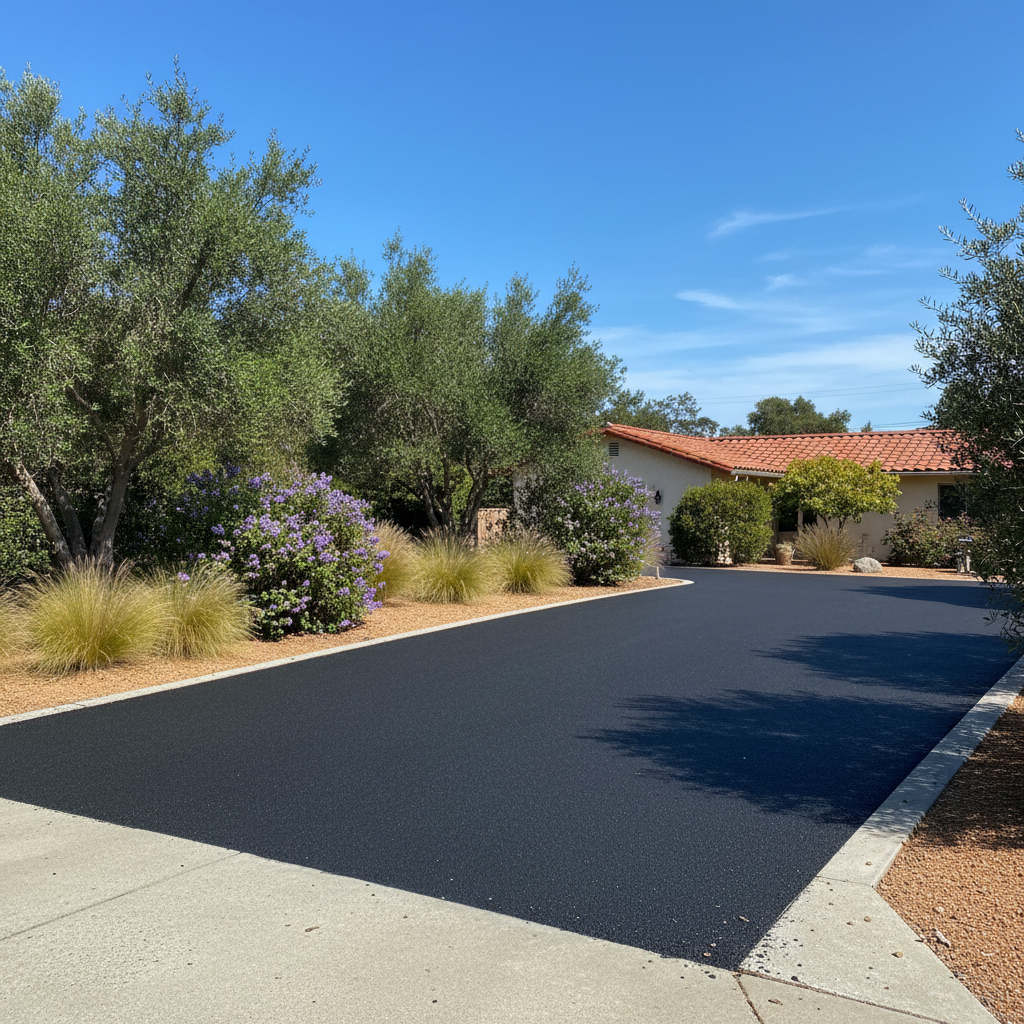
So, you've just had your asphalt sealcoated. That fresh, dark surface looks fantastic, doesn't it? It's not just about curb appeal, though. Sealcoating is a critical protective layer for your asphalt, shielding it from the sun, rain, and the constant traffic that can really break it down over time. But getting it done is only half the battle; the other half is making sure that investment actually pays off by lasting as long as it should. I've seen too many folks neglect their driveways or parking lots after sealcoating, and honestly, it's a shame to watch that hard work go to waste.
Making Your Sealcoat Last Longer
The first few days after sealcoating are super important. You've got to give it time to cure properly. I always tell my customers to stay off it for at least 24-48 hours, sometimes even longer if it's cooler or humid out. Here in Palo Alto, we generally have pretty good drying conditions, especially during our long, dry summers, but don't rush it. Park your cars on the street, tell your delivery drivers to wait — whatever it takes. Driving on it too soon can leave tire marks, scuffs, or even pull up the fresh sealcoat, and then you're looking at repairs way sooner than you should be.
Once it's cured, think about what you're putting on it. Oil and gas spills are sealcoat killers, plain and simple. They break down the binder in the asphalt and the sealcoat itself. If you've got a leaky car, get that fixed, pronto. If a spill happens, clean it up immediately with an absorbent material like cat litter, then a mild detergent and water. Don't just let it sit there. Also, avoid harsh chemicals or pressure washing with too much force; a regular garden hose and a stiff brush are usually all you need for cleaning.
Regular Upkeep: Keep It Clean, Keep It Strong
Regular maintenance for sealcoated asphalt isn't complicated, but it is important. Think of it like washing your car or cleaning your house – a little bit often really goes a long way.
- Keep it clean: Sweep or blow off dirt, leaves, and debris regularly. Organic matter can hold moisture against the surface, and fine grit acts like sandpaper under traffic, slowly wearing away the sealcoat.
- Deal with weeds: Weeds love to sprout in cracks. Pull them out by hand or use a weed killer. If they grow too big, their roots can widen existing cracks or even create new ones, letting water get underneath.
- Watch for heavy loads: While sealcoat protects, it doesn't add structural strength. Heavy trucks or equipment parked for long periods can still cause indentations or damage, especially on hot days when the asphalt is softer. If you've got a delivery coming, maybe ask them to park on a less critical section or just not for too long.
Our California sun, especially in the summer, is intense. Sealcoat is designed to block those UV rays, but it's still working hard. Keeping it clean helps it do its job better and reflect some of that heat.
Warning Signs You Can't Ignore
Your asphalt will tell you when it needs attention. You just have to know what to look for. Don't wait until it's a major headache, okay?
- Fading color: If that rich black has started to turn gray, it means the sealcoat is wearing thin and the asphalt underneath is starting to show through. This is a clear sign it's losing its protective qualities.
- Fine hairline cracks: A few small, isolated cracks aren't usually an emergency, but if you start seeing a network of fine cracks (often called 'alligator cracking'), that's a sign of deeper structural issues or severe sealcoat degradation. Water will get into those cracks and accelerate damage.
- Potholes or depressions: These mean the base layer is failing, and water has likely gotten underneath. Sealcoat can't fix structural problems, but ignoring these will quickly lead to bigger, more expensive repairs.
- Loose aggregate: If you see small stones coming loose from the surface, your sealcoat might be completely gone in that area, or it wasn't applied correctly.
Here in Palo Alto, with our expansive clay soils in some areas, we sometimes see more movement in the ground, which can contribute to cracking. Staying on top of these warning signs is even more important when you have those kinds of soil conditions.
When to Call a Professional
You can handle the sweeping and the quick spill cleanups yourself, but some things really do need a pro. If you see significant cracking, potholes forming, or large areas where the sealcoat is completely gone, it's time to call someone like All Things Asphalt Inc. Don't try to patch large areas yourself; you'll likely end up with an uneven, unsightly repair that doesn't last. We can assess the damage, recommend the right repair strategy – whether it's crack filling, patching, or even a new layer of sealcoat – and make sure it's done right.
Typically, a good quality sealcoat job should last you 2-4 years, depending on traffic, weather, and how well you maintain it. If you're seeing warning signs well before that timeframe, it's definitely worth having us take a look. Catching problems early saves you money in the long run. Trust me on that; I've been doing this long enough to know that small problems rarely fix themselves.