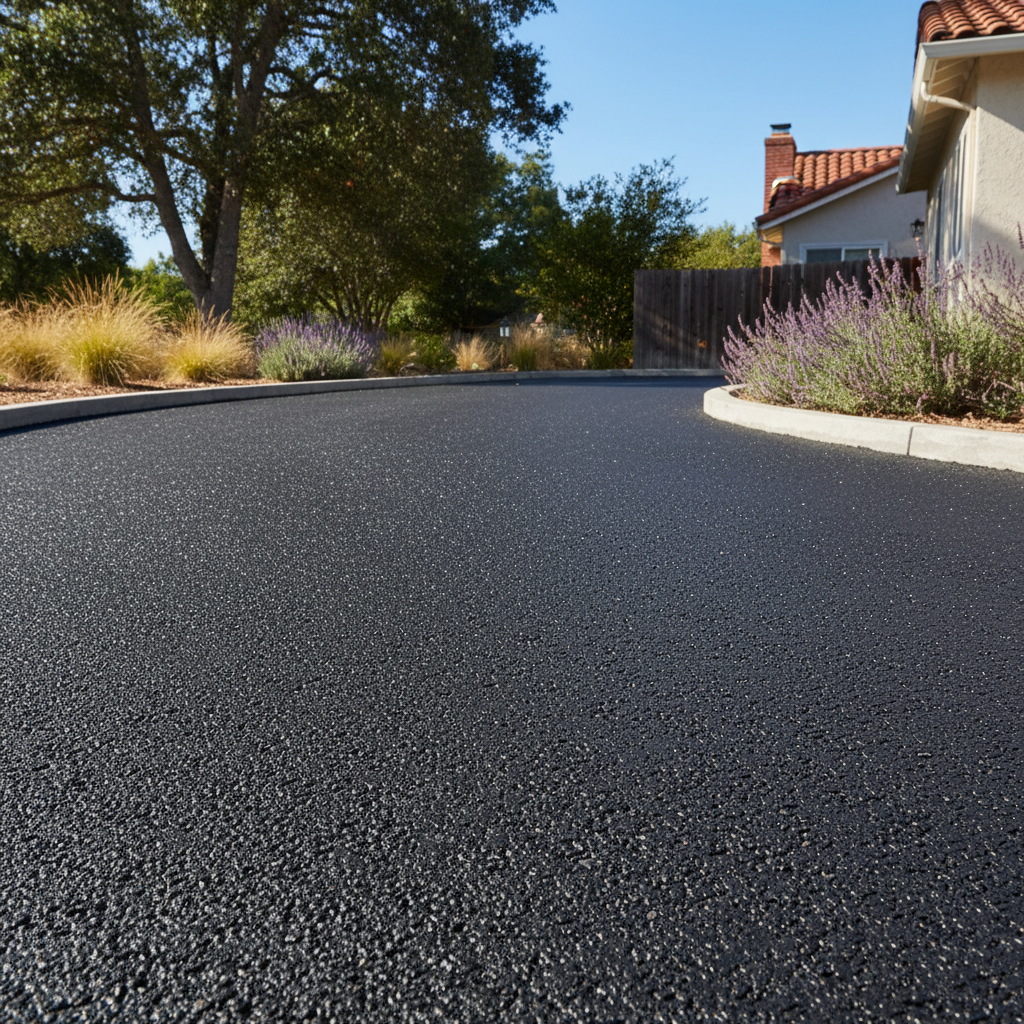
Alright, let's talk asphalt. I've been working with homeowners in Palo Alto for years, and you know, I hear the same questions pop up again and again. It's good to ask, because getting this stuff right means your driveway lasts longer and looks better. So, I'm just going to lay out some honest answers to the questions you're probably thinking about.
How long does a new asphalt driveway really last?
This is a big one, and the answer isn't a simple number. A well-installed asphalt driveway, done right from the base up, should give you a solid 15 to 20 years. Sometimes even more! But that's if you treat it well. What does 'treat it well' mean? It means proper drainage, sealing it every few years, and not letting heavy trucks park on it constantly. If you skimp on the base layer, or if you ignore cracks, that lifespan drops fast. Think of it like a good roof – you get out what you put in, and a little maintenance goes a long way.
What causes cracks and potholes, and can they be prevented?
Cracks and potholes are the bane of any asphalt surface, and they usually come from a few places. First, water is the enemy. It seeps into tiny cracks, freezes (even in Palo Alto, we get cold nights that can cause expansion and contraction!), expands, and makes those cracks bigger. Then, traffic drives over it, and boom, pothole. Second, a weak base layer underneath the asphalt is a huge culprit. If the ground isn't prepped right, or it's not thick enough, the asphalt will flex too much and crack. Third, UV rays from our sunny California weather can dry out the asphalt binder over time, making it brittle. You can't prevent every single crack, but you can definitely minimize them. Regular sealcoating protects against UV and water penetration. Fixing small cracks as soon as you see them stops them from becoming big problems. And making sure you have a solid, well-drained base from the start? That's critical.
When's the best time of year to pave or repair asphalt in Palo Alto?
Hands down, you want to do asphalt work when it's warm and dry. Here in Palo Alto, that means late spring, summer, and early fall are your sweet spots. The asphalt mix needs to be hot when we lay it down, and it needs warm temperatures to cure properly. If it's too cold, the asphalt cools too fast, making it harder to compact and resulting in a weaker surface. If it's raining, well, water and hot asphalt don't mix – it can cause steam pockets and compromise the bond. So, while we can sometimes squeeze in small repairs during milder winter days, for any major paving, you're generally looking at May through October. It's just better for the longevity of the product, you know?
Is sealcoating really necessary, and how often should I do it?
Absolutely, sealcoating is necessary. Think of it as sunscreen and a protective shield for your driveway. It does a few things: it protects the asphalt from UV rays, which, as I mentioned, dry out the binder; it seals small cracks, preventing water from getting in; and it restores that rich black color, making your driveway look brand new. For most residential driveways, I recommend sealcoating every 2-3 years. If you have a lot of heavy traffic, or if your driveway gets intense sun exposure all day, you might consider doing it a bit more often. It's a relatively inexpensive maintenance step that significantly extends the life of your asphalt.
What's the deal with drainage? Why is it so important for my driveway?
Drainage isn't just important; it's foundational. If water sits on or under your asphalt, you're asking for trouble. Poor drainage leads to water pooling, which softens the sub-base, weakens the asphalt, and accelerates cracking and pothole formation. It can also cause erosion underneath, leading to uneven settling. When we design and install a driveway at All Things Asphalt Inc, we're always thinking about how water will flow. We make sure the grade is correct, sloping away from your house and towards appropriate drainage points. Sometimes, that means adding a French drain or a catch basin. You want water to get off your driveway quickly and efficiently, not sit there or seep into the ground beneath it.
Can I put asphalt over my old concrete driveway?
This is a question I get a lot, especially from folks with older homes in places like Old Palo Alto where concrete was common. The short answer is yes, sometimes, but it's not always the best idea, and it comes with caveats. You can pave asphalt over existing concrete, but only if the concrete is in relatively good shape – no major cracks, heaving, or settling. If the concrete underneath is failing, the asphalt on top will eventually reflect those problems. We'd have to clean it thoroughly, fill any significant cracks, and then apply a bonding agent before laying the asphalt. The biggest downside is that any cracks in the concrete below will eventually 'reflect' through the new asphalt surface. It's often better to remove the old concrete and start fresh with a proper asphalt base, but if budget is a major concern and the concrete is solid, it can be an option we discuss.
What's the difference between asphalt and chip seal?
Good question, because they look similar from a distance, but they're quite different. Asphalt, or hot mix asphalt, is what we've been talking about – a blend of aggregate (stone, sand) and asphalt cement, heated and laid down hot, then compacted. It creates a smooth, durable, black surface. Chip seal, on the other hand, is a surface treatment. It involves spraying a layer of liquid asphalt emulsion onto an existing surface, then immediately spreading a layer of aggregate chips over it, and finally rolling it to embed the chips. It's generally less expensive upfront, offers good traction, and has a more rustic, textured look. But it's not as smooth or as durable as hot mix asphalt, and it typically doesn't last as long. It's often used for rural roads or long driveways where a smooth, pristine finish isn't the top priority, or as a cost-effective resurfacing option for an already stable base. For most residential driveways in town, homeowners usually prefer the classic smooth look and longevity of hot mix asphalt.
How do I know if I need a repair or a full replacement?
This is where an experienced eye comes in handy. If you've got a few isolated cracks, small potholes, or just some surface fading, you're likely looking at repairs and sealcoating. We can patch potholes, fill cracks, and get things looking good again. But if your driveway looks like a spiderweb of interconnected cracks, if there's significant heaving or sinking in multiple areas, or if the asphalt is crumbling and showing its age everywhere, then you're probably past the point of cost-effective repairs. At that stage, you're just putting band-aids on a bigger problem, and a full replacement will give you a much better, longer-lasting result. I always tell folks to get an assessment. We'll come out, take a look, and give you an honest opinion on what makes the most sense for your situation and your budget.