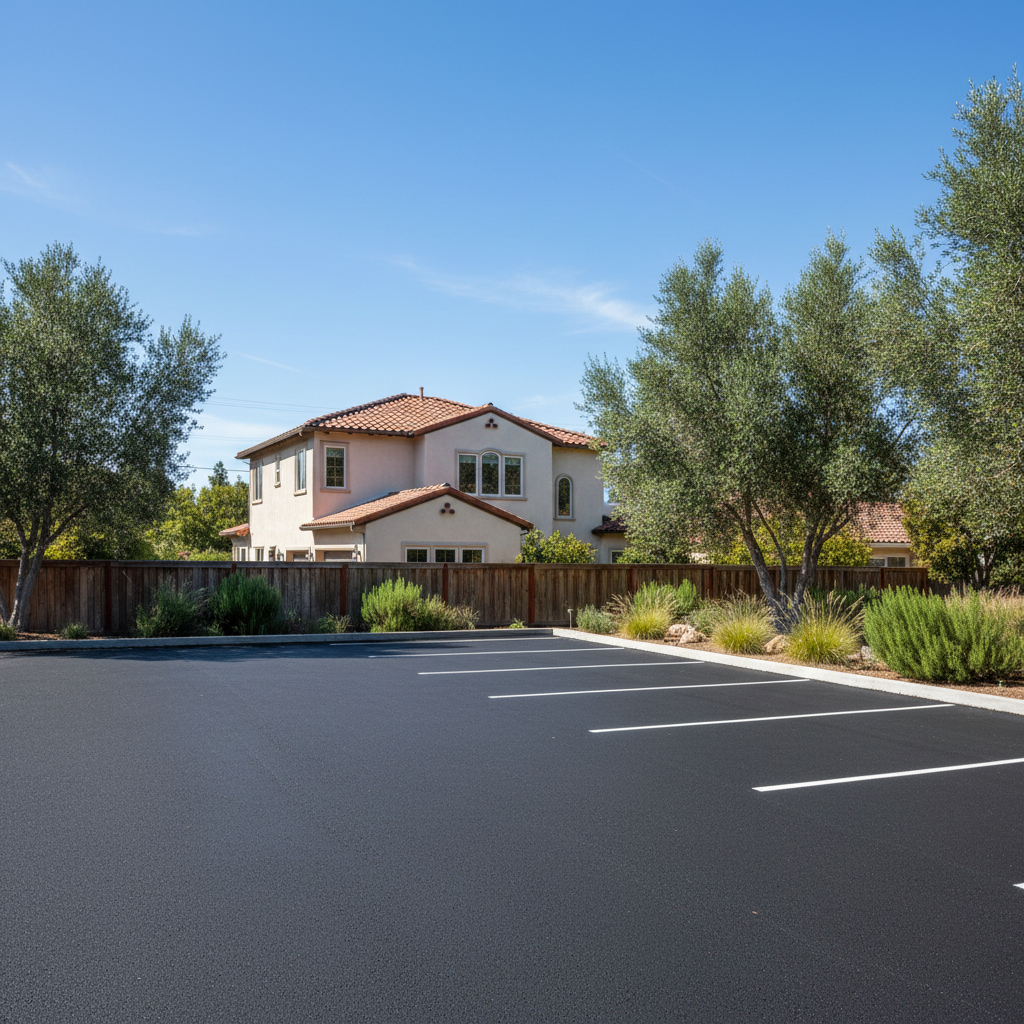
Timing Your Paving Project: It's All About the Weather
So, when's the best time to get your parking lot paved or fixed up here in Palo Alto? Honestly, it's not just about when your budget says "go." It's really, truly, about the weather. I've seen way too many folks try to push a paving job when the conditions just aren't right, and the finished product never looks as good as it should. Asphalt needs specific temperatures to cure correctly, and our local climate pretty much gives us a clear window for that.
You're looking for warm, dry conditions. That means late spring, summer, and early fall are generally your best bets around here. Think May through October, for the most part. During these months, we consistently hit daytime temperatures above 50°F. That's super important for the asphalt to bind and compact properly. If it's too cold, the asphalt mix cools down way too fast. This makes it harder to work with, preventing proper compaction, and that can lead to a weaker surface that's more likely to crack down the road. Oh, and you need dry ground. Paving over wet dirt or subgrade? That's a recipe for disaster; it messes with the foundation, and you'll see problems much sooner than you should.
What about winter? For major paving, just forget about it. We don't get a ton of snow, sure, but we do get plenty of rain, and those cooler temperatures just aren't good for a quality asphalt job. You might be able to squeeze in some minor patching on a dry, mild day, but for a full overlay or a brand new installation, you'll definitely want to wait for the warmer seasons. Planning ahead is absolutely key here. Don't wait until the last minute when that weather window is already closing.
Weather Conditions That Affect the Work
Okay, we've touched on temperature and rain, but let's really dig into why these things matter so much. When we're laying down hot asphalt, it needs to stay within a certain temperature range. That's how we spread it evenly and get it compacted just right. If it's a chilly day, even if it's not raining, the asphalt loses heat too quickly. It gets stiffer, harder to rake, and way tougher to get that smooth, dense finish you're after. What happens then? You end up with a less durable surface that just won't last as long.
Rain is another huge factor. You simply cannot pave in the rain, or even right after a heavy downpour. The moisture gets trapped, and it stops the asphalt from sticking to the base layer. This can lead to something called stripping, where the asphalt actually separates from the aggregate. Next thing you know, you've got potholes and failures much faster than you should. Even high humidity can be a problem, slowing down the curing process. We're pretty lucky in Palo Alto that our summers are generally dry and sunny, which is why that's our prime paving season. But even in summer, we watch the forecasts like hawks. We're not just looking at the day we pour, but also the days leading up to it, just to make sure the ground is good and dry.
Protecting Your Investment Year-Round
Once you've got that beautiful new parking lot, you'll want to keep it looking good and working well for years. It's an investment, after all! Here's what I tell my clients about year-round maintenance:
- Sealcoating: This is your first line of defense. I usually recommend sealcoating every 2-3 years, depending on how much traffic it sees and how much sun it gets. It protects the asphalt from UV rays, water seeping in, and oil spills. Our intense summer sun here in California can really dry out and break down asphalt if it's not protected, you know?
- Crack Sealing: Don't let small cracks turn into big headaches. Water is asphalt's worst enemy. When water gets into cracks and then freezes (not a huge issue here, but it can happen on very cold nights, especially in spots with bad drainage), it expands and makes those cracks even bigger. Even without freezing, water erodes the sub-base, which leads to potholes. Get those cracks sealed as soon as you spot them. It's a small expense now that prevents a much larger one later.
- Drainage Maintenance: Make sure your drainage systems are clear and actually doing their job. Standing water on your parking lot will speed up its deterioration. Clear out those storm drains and ensure water is flowing off the surface the way it should.
- Regular Cleaning: Keep the surface clear of debris, oil, and chemicals. Oil and gas spills can soften and degrade asphalt over time. Clean them up promptly.
- Traffic Management: If you've got heavy trucks or delivery vehicles, try to make sure they're not constantly driving or parking in the exact same spots, especially if those spots weren't built for heavy loads. This can cause rutting and premature wear.
Taking these steps throughout the year, not just when you're thinking about a new paving job, will really extend the life of your parking lot. Here at All Things Asphalt Inc, we're always happy to come out and give you an assessment and a plan for keeping your asphalt in top shape. It's all about proactive care, especially with our unique Palo Alto climate.