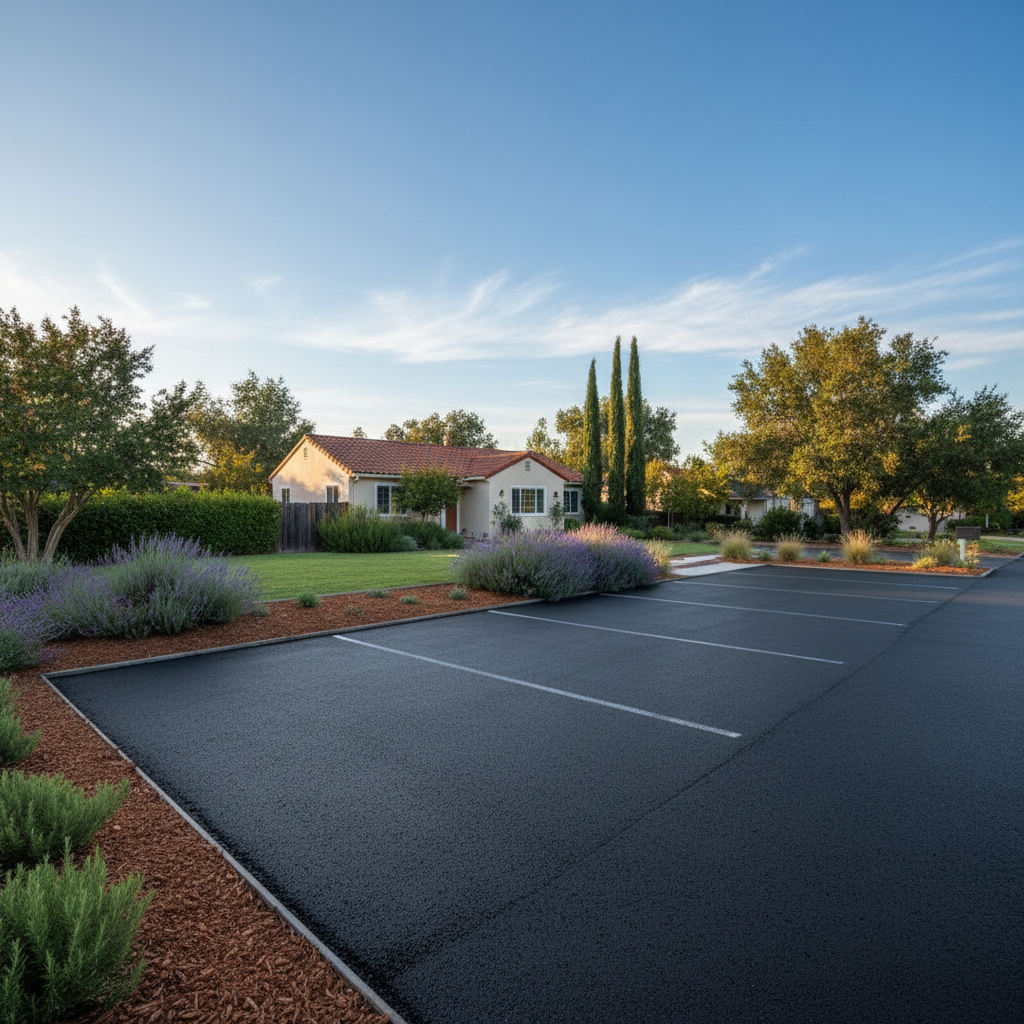
Alright, let's talk about parking lots. If you own a business here in Palo Alto, you know a good parking lot isn't just a convenience; it's often the first thing your customers see. And if it's full of cracks, potholes, or faded lines, well, that's not exactly a warm welcome, is it? But what's it really going to cost you to get that asphalt in shape? It's not as simple as a flat rate, so let's dig into it a bit.
What Affects Parking Lot Paving Costs?
There are a bunch of things that can swing the price tag, sometimes pretty dramatically. Here's what I've seen make the biggest difference:
- Project Size and Scope: This is a big one. A small lot for a boutique on University Avenue is going to be a different animal than a large one for a commercial complex near the Stanford Research Park. Bigger projects often cost less per square foot because of economies of scale, but the total bill will naturally be higher. Are you doing a full tear-out and rebuild, or just an overlay? A brand-new installation, with all the excavation and base work, will always run more than simply resurfacing an existing, structurally sound lot.
- Site Conditions: What's hiding underneath that old asphalt? If the ground beneath it is unstable, or if there are drainage problems, we've got to fix that first. Things like hills, rocks, or poor soil conditions mean more prep work, and that adds to the cost. Good drainage is super important here in Palo Alto, especially with our winter rains; water is asphalt's worst enemy, after all.
- Material Quality and Thickness: Not all asphalt is created equal. The type of asphalt mix, how thick it is, and the quality of the aggregate base all play a role. Areas with heavier traffic, like those seeing lots of delivery trucks, need thicker asphalt layers and a stronger base to handle the load without falling apart quickly. A standard parking lot might get 3-4 inches of asphalt, but heavy-duty spots could need 4-6 inches.
- Additional Features: Things like concrete curbing, wheel stops, ADA-compliant ramps and striping, drainage systems, and even fixing up the landscaping all add to the final price. And don't forget the striping itself – clear, fresh lines aren't just for looks; they make things safer and help traffic flow better.
- Permits and Regulations: You'll almost certainly need permits for parking lot paving projects, especially for new construction or big renovations. The City of Palo Alto has its own requirements, and figuring those out can add both time and money.
- Labor and Equipment: The Bay Area has higher labor rates than many other places, and specialized equipment isn't cheap.
- Market Conditions: The cost of asphalt is tied to oil prices, and those can go up and down. Supply chain issues and demand can also push prices higher.
Typical Cost Ranges for Parking Lot Paving in Palo Alto
Okay, let's get down to some actual numbers. Keep in mind, these are general ranges, and your specific project could be on either end or even outside these figures.
- New Asphalt Installation (Full Depth): For a brand new parking lot, including digging out the old stuff, putting in the base, and laying new asphalt, you're generally looking at $2.50 to $7.00 per square foot. Some sources even put the total cost for commercial jobs between $2 and $10 per square foot. For a 10,000 sq ft lot, that could mean anywhere from $25,000 to $70,000.
- Resurfacing (Overlay): If your existing asphalt base is still solid, but the surface is just worn out, an overlay is a more budget-friendly option. This usually means milling off a thin top layer and applying 1.5 to 3 inches of new asphalt. Resurfacing costs typically range from $1.50 to $3.00 per square foot. In California, specifically, a 2-inch overlay might be around $2.03 per square foot. So, for that same 10,000 sq ft lot, you might be looking at $15,000 to $30,000.
- Patching and Repair: Smaller repairs, like patching potholes, can run around $2.86 to $3.00 per square foot. Filling cracks is usually priced per linear foot, often $1 to $3.
- Striping: This is often a separate line item. Basic striping can cost around $4.26 to $5.40 per 18-foot stripe.
What Should Be Included in a Quote?
When All Things Asphalt Inc gives you a quote, or you get one from another reputable contractor, it should be clear and detailed. You definitely don't want any surprises. Here's what to look for:
- Detailed Scope of Work: This should clearly state whether it's a full removal and replacement, an overlay, or just patching. It needs to specify the depth of asphalt, the type of base material, and any milling depth if that applies.
- Site Preparation: What exactly are they doing to get the ground ready? This includes excavation, grading for proper drainage, and putting in the base layer.
- Materials: The type and quantity of asphalt, aggregate, and any other materials.
- Labor Costs: Clearly spelled out.
- Additional Features: Any curbing, ADA ramps, signage, or striping should be listed individually.
- Permits: Who is responsible for pulling them, and are the fees included or separate?
- Cleanup and Disposal: What happens to the old material? Make sure this is covered.
How to Avoid Overpaying
Nobody wants to throw money away, right? Here are some solid tips to make sure you're getting a fair price and a quality job:
- Get Multiple Bids: This is probably the most important thing you can do. Don't just go with the first quote. Get at least three detailed bids from different contractors. Make sure they're comparing apples to apples – the square footage and scope of work should match across all bids.
- Understand the Scope: As I mentioned, the word "repaving" can mean different things. Make sure each contractor clearly defines what they're doing. An overlay is much cheaper than a full replacement, but it's only suitable if your base is good.
- Prioritize Preventative Maintenance: This is where you save big bucks long-term. Regular sealcoating (every 2-3 years), promptly filling cracks, and patching potholes can significantly extend the life of your parking lot and delay the need for major, expensive work. It's much cheaper to fix a small crack than to let it turn into a huge pothole.
- Ask About Materials: Don't be afraid to ask what kind of asphalt they're using and why. Quality materials last longer, which means less money spent on repairs down the road.
- Check References and Experience: A contractor with a good track record and local experience is invaluable. They'll understand local conditions, like how the clay soil in some parts of Palo Alto can impact drainage and foundation needs.
- Don't Rush: Plan ahead. Emergency jobs can sometimes cost more. If you can schedule work during off-peak seasons, you might even get a better rate.
- Consider Pervious Pavement: The City of Palo Alto actually offers rebates for pervious pavement, which allows water to drain through it. It's a more eco-friendly option and can sometimes help with stormwater management requirements, though it can be more expensive upfront.
Investing in your parking lot is investing in your business. Do your homework, ask the right questions, and you'll get a durable, attractive surface that serves your customers well for years to come.