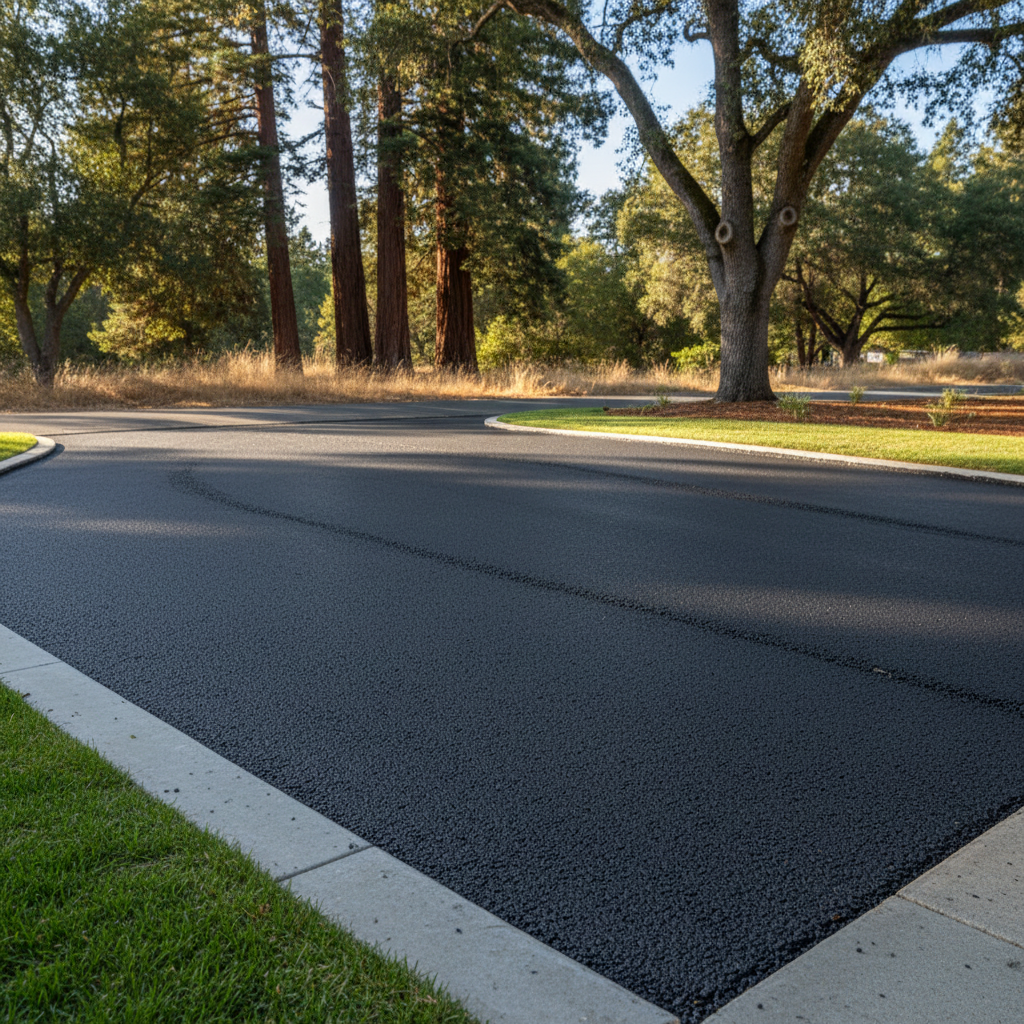
So, you're looking at your driveway and thinking it's time for an upgrade, or maybe just some serious TLC. Asphalt's a great choice for driveways here in Palo Alto – it's durable, cost-effective, and when done right, it looks sharp. But what exactly goes into an asphalt project, and what should you, the homeowner, be aware of?
I've been doing this for years, and I've seen it all. From the smooth, fresh installs to the cracked, neglected ones that practically beg for attention. Let's talk about what you need to know.
Before the Shovels Hit the Ground
This is where most of your effort should go, honestly. Good planning prevents bad driveways. First off, assess your current situation. Is it a brand-new install on bare ground, or are we tearing out an old concrete or asphalt driveway? That makes a big difference.
- New Installation: If you're starting fresh, you need a solid base. This isn't just about dumping asphalt on dirt. We're talking about proper excavation, grading for drainage (super important here in the Bay Area with our winter rains – you don't want water pooling against your foundation or in your garage), and then laying down and compacting a good aggregate base. This is not a DIY job. You need heavy equipment and expertise to get the right slope and compaction.
- Replace & Repave: If you're ripping out an old driveway, the process is similar to a new install after the demolition. The old material needs to be removed, the sub-base inspected, and often, a new aggregate base is laid down. Don't skimp here. If the base isn't right, your new asphalt won't last.
- Overlay (Paving Over Existing Asphalt): This can be a good option if your existing asphalt is in decent shape – meaning it has minimal cracking, no major potholes, and good drainage. We'd clean it thoroughly, repair any minor cracks, and then lay a new layer of asphalt over the top. It's usually less expensive than a full tear-out. But if your old driveway is crumbling, an overlay is just putting a band-aid on a broken leg. It won't hold up.
What can you do yourself in this stage? Research. Get multiple quotes. Ask for references. Look at examples of their work. A good contractor, like us at All Things Asphalt Inc, will walk you through the options and explain why one might be better for your specific situation. Don't just go for the cheapest bid; you'll often pay for it twice.
During the Project: What to Expect
Once you've picked your contractor and scheduled the work, things move pretty fast. Asphalt projects are often completed in a day or two, depending on the size and complexity.
- Preparation is Key: You'll see a lot of heavy machinery – excavators, bobcats, rollers. There will be noise and dust. We'll be digging, grading, and compacting the base. If it's a repave, the old material gets hauled away.
- Laying the Asphalt: This is the exciting part. Hot asphalt is delivered by truck and then spread by a paving machine. It's hot, sticky, and smells a bit. Crews work quickly to spread and compact it with rollers before it cools down. The compaction is critical for density and durability.
- Curing: Once it's down, it needs to cure. This isn't like concrete that needs to be kept wet. Asphalt cures by cooling and hardening. You'll typically need to stay off it for at least 24-48 hours, sometimes longer for heavy vehicles, especially during hot Palo Alto summers. Your contractor will give you specific instructions.
Your role during this? Stay out of the way, ask questions if you have them, and make sure the crew has access to water or a restroom if needed. Keep pets and kids clear of the work zone – hot asphalt and heavy machinery aren't playthings.
After the Project: Keeping it Pristine
You've got a beautiful new driveway. Now what? Maintenance is key to making it last.
- Sealcoating: This is probably the most important thing you can do. Asphalt is made with petroleum, and over time, the sun (UV rays) and oxidation will break down the binder, making it brittle and prone to cracking. Sealcoating every 2-3 years protects it. Think of it like sunscreen for your driveway. You can buy sealcoat at hardware stores, but applying it evenly and correctly is harder than it looks. For a professional finish and proper product, I'd recommend having us or another pro do it.
- Crack Repair: Small cracks will happen eventually. It's just the nature of the material. Filling these cracks promptly prevents water from seeping into the base, which is what causes bigger problems like potholes and alligator cracking. Small, individual cracks can be filled with a good quality crack filler you can buy. Just make sure the crack is clean and dry first. If you've got extensive cracking, that's a job for the pros.
- Edge Protection: The edges of your driveway are often the weakest points. Avoid driving on them. If you have a planter or lawn right up against the asphalt, be careful not to let soil build up too high, as it can trap moisture.
- Oil & Chemical Spills: Clean these up quickly. Gasoline, oil, and other chemicals can soften and degrade asphalt. Use an absorbent material and then clean the spot with a mild detergent.
Can you do some of this yourself? Absolutely. Sweeping it clean, hosing it down, and even filling minor cracks are things a handy homeowner can tackle. But for major repairs, sealcoating, or anything that involves heavy equipment or specialized techniques, it's always best to call in a professional. We've got the tools, the experience, and the right materials to make sure your investment lasts. Don't hesitate to reach out if you've got questions about your Palo Alto driveway – that's what we're here for.