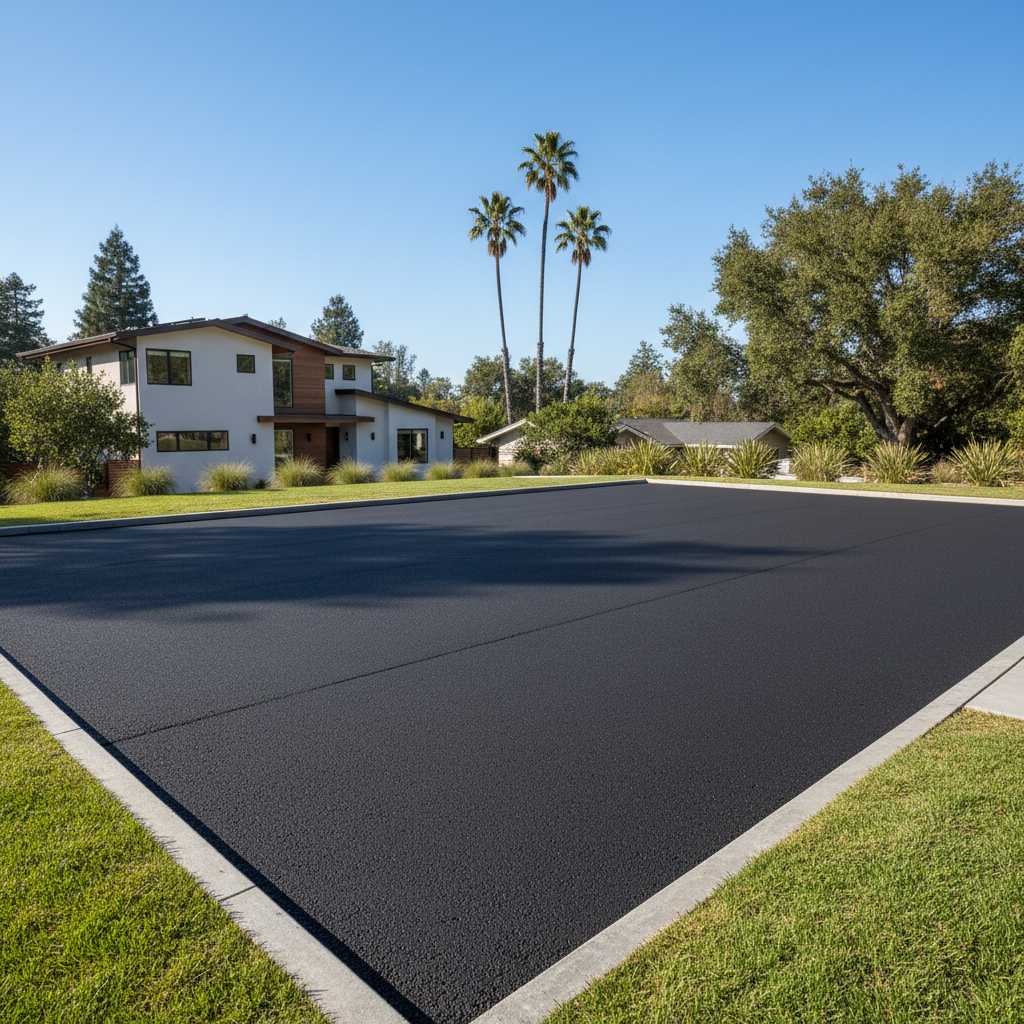
So, you're looking to get a commercial asphalt project done. Maybe it's a brand-new parking lot for your business, or you just need to resurface an old one. That's a pretty big investment, and naturally, you want it done right. After years of working with folks all over Palo Alto, I've noticed a few common mistakes property owners tend to make. They usually mean well, but these slip-ups can really cost you — in time, money, and a whole lot of frustration. Let's talk about what to keep an eye out for.
Mistake #1: Not Really Knowing What You Need Done
This is probably the biggest one out there. People often call us and simply say, "I need a new parking lot." Okay, but what does that actually mean for your specific property? Are we talking about a complete tear-out and rebuilding everything from scratch, or just putting a new layer on top? Is there a drainage problem that needs fixing first? What about making sure it meets ADA rules for parking spaces and access ramps? Will you need new striping, signs, or wheel stops?
A good contractor, like us at All Things Asphalt Inc, will walk you through all these questions. But you, as the property owner, also need to be ready to think about them. Don't just assume everyone's on the same page. If you're not clear about what you're asking for, you'll get bids that are all over the place, making it impossible to compare them fairly. Even worse? You might end up with a project that doesn't actually fix your real problems.
Mistake #2: Picking the Cheapest Bid Without Doing Your Homework
I totally get it; everyone loves a good deal. But when it comes to commercial asphalt, the cheapest bid is almost never the best one. Paving asphalt isn't just about rolling out some black stuff. It's about getting the grading right, preparing the base properly, using quality materials, and having an experienced crew do the work. Cutting corners here means a parking lot that cracks way too soon, develops potholes, or starts having drainage issues within a year or two. Then, you're paying to fix it all over again, aren't you?
Here's what you should be doing instead of just looking at the price tag:
- Check references: Ask for contact info from past commercial clients. Seriously, call them! Ask about their experience, the quality of the work, and if the project stayed on budget and schedule.
- Verify licensing and insurance: This isn't optional. Make sure they're properly licensed by the CSLB (Contractors State License Board) and fully insured (liability and workers' comp). If they're not, you could be responsible for accidents or really bad work.
- Look at their equipment: A professional paving company will have well-maintained, appropriate equipment for commercial jobs. If they show up with a beat-up pickup and a couple of shovels for a big parking lot, that's a huge red flag.
- Get a detailed proposal: The bid should clearly lay out the work, the materials they'll use, the timeline, and the payment schedule. If it's just a single price on a napkin, walk away.
Mistake #3: Ignoring What's Underneath
Especially in older areas like some parts of Palo Alto, where you might find varying soil conditions or old infrastructure, what's under your asphalt is just as important as the asphalt itself. I've seen projects where people just pave right over existing cracks or an unstable base, thinking it will hold up. It won't. Those cracks will show right through your new asphalt, and you'll have a mess on your hands faster than you can say "pothole."
A good contractor will check out the existing surface and the base underneath. They'll look for signs of poor drainage, soft spots, or areas where the base has failed. Sometimes, this means a bit more work upfront – maybe some digging, adding new aggregate base, or improving drainage. It might add to the initial cost, but it's an investment that prevents much more expensive repairs later on. Don't let anyone talk you into just paving over a problem; that's like putting a band-aid on a broken leg.
Mistake #4: Not Planning for Your Business to Be Interrupted
Commercial projects, by their very nature, often affect your customers or tenants. A parking lot needs to be closed, or at least partially closed, for work to happen. If you don't plan for this, you could face angry customers, lost revenue, or even safety hazards.
Talk to your contractor about doing the work in phases if that's an option. Can the project be done in sections? What's the timeline for the asphalt to cure before vehicles can drive on it? How will people walk around safely? Who is responsible for signs and barricades? These are crucial questions for any commercial property owner. We always try to keep disruptions to a minimum, but you need to be realistic and communicate with your customers or tenants about what to expect. A little heads-up goes a long way.
Mistake #5: Forgetting About Maintenance
Once your beautiful new asphalt is down, the job isn't finished. Asphalt needs maintenance to last. Skipping sealcoating, crack filling, or regular sweeping is like buying a new car and never changing the oil. Palo Alto's weather, with its hot summers and occasional heavy rains, can really beat up asphalt. UV rays break down the binder, and water seeping into cracks causes damage, especially with our clay soils that can expand and contract.
Ask your contractor about a maintenance plan. When should you sealcoat? How often should cracks be filled? A little preventative maintenance goes a very long way in extending the life of your commercial asphalt and protecting your investment. It's much cheaper to maintain than to replace, after all.
Getting a commercial asphalt project done right takes a bit of homework on your part, but it's totally worth it. Don't rush into it, don't just pick the cheapest guy, and don't ignore what's underneath. Do your due diligence, ask the tough questions, and you'll end up with a durable, professional-looking surface that serves your business for years to come.